Vintage Decorative Header or Footer 3: Elevate Your Designs
There’s a certain magic in vintage design—a sense of story, craftsmanship, and timeless elegance that modern minimalism often lacks. If you’re looking to inject that classic charm into your projects, Vintage Decorative Header or Footer 3 is a design asset that delivers exactly that. This isn’t just another decorative element; it’s an intricate, detailed ornamental piece that functions as a complete visual statement. Available as a high-quality JPG, transparent PNG, and scalable SVG, it’s built for versatility, ready to frame your content with a level of sophistication that feels both authentic and intentional.
Understanding the Visual Character
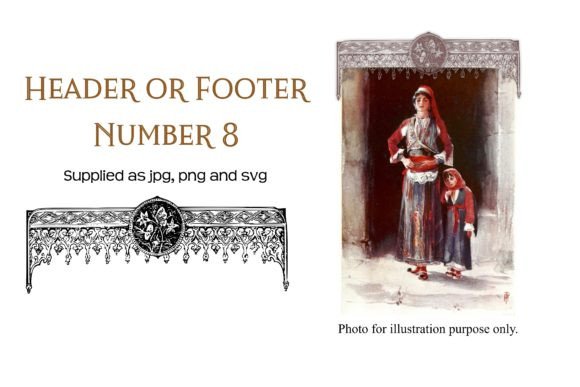
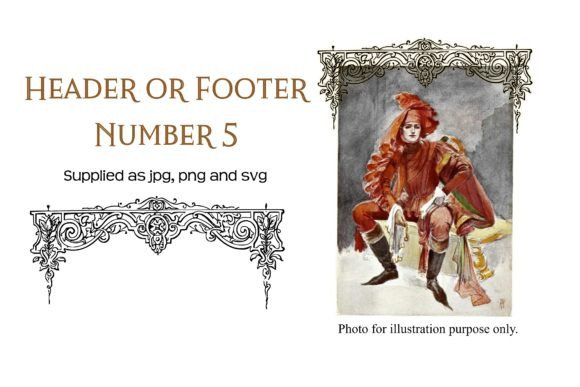
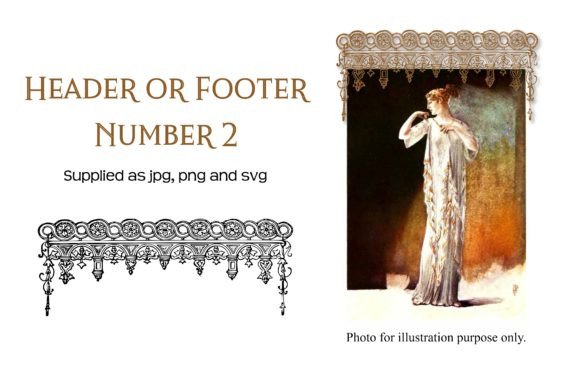
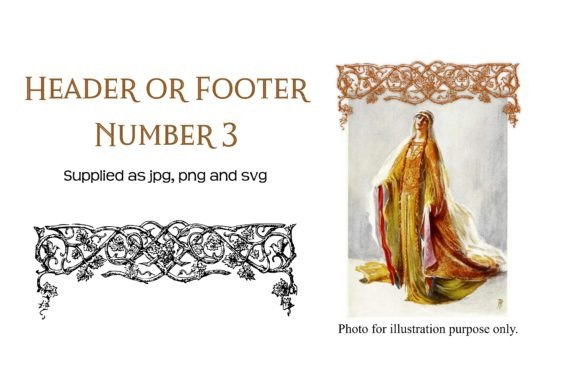
At its core, Vintage Decorative Header or Footer 3 is a masterclass in ornamental design. The piece features elaborate scrollwork, symmetrical flourishes, and delicate line work that evokes the craftsmanship of letterpress and engraving from the early 20th century. Its personality is one of refined elegance and subtle grandeur. It doesn’t shout for attention but rather commands it through its intricate detail and balanced composition. The style bridges the gap between classic Victorian ornamentation and the cleaner, more geometric lines of Art Nouveau, making it versatile enough to complement a wide range of projects without feeling anachronistic.
The overall appeal lies in its ability to instantly establish a mood. When you incorporate this decorative element, you’re not just adding a visual break—you’re signaling a commitment to quality, detail, and aesthetic thoughtfulness. It speaks to an audience that appreciates heritage, durability, and beauty in the details. For a designer, it’s a powerful tool for creating immediate visual hierarchy and directing the viewer’s eye exactly where you want it.
Where This Design Asset Truly Shines
The applications for Vintage Decorative Header or Footer 3 are remarkably broad, making it a valuable addition to any creative’s toolkit. Think beyond the obvious. Yes, it’s perfect for invitations—wedding suites, milestone birthday parties, or elegant corporate galas. Its presence sets a formal and celebratory tone from the first glance. For scrapbookers and journalers, it provides a stunning frame for photos, quotes, or memory titles, transforming a page into a curated keepsake.
In the commercial and branding sphere, this is where strategic use pays dividends. Imagine it as a foundational element in logo design for a boutique hotel, a heritage brand, a distillery, or a high-end florist. It can lend instant credibility and a sense of established history. In packaging design, it can elevate a product from ordinary to premium, suggesting artisanal quality and care. For editorial design, use it as a chapter opener in a book, a section divider in a magazine, or a sophisticated header for a restaurant menu.
Digital applications are equally compelling. It can anchor a web design header for a portfolio site, adding personality without compromising on modern typography and layout. As part of social media graphics, it can create consistent, branded templates for quotes, announcements, or sale posts that stand out in a crowded feed. The included SVG file is particularly useful here, as it scales perfectly for any screen resolution without losing crispness, ensuring your design looks sharp on everything from a phone to a 4K monitor.
Integrating for Impact: Practical Guidance
Choosing to use such a distinct element requires thoughtful integration. First, consider your project’s overall brand identity and message. Does the vintage aesthetic align with your core values and audience expectations? This ornament works best when it supports a narrative of quality, tradition, or curated elegance. It might feel out of place in a project built on hyper-modern, glitchy, or brutalist aesthetics.
When it comes to font pairing, let the ornament be the star of the decorative realm. Pair it with clean, readable typefaces to ensure your message remains clear. A strong sans serif font for body text creates a beautiful contrast, allowing the ornate details to frame the content without competing with it. For headlines, a classic serif font or a refined script font can complement its elegance. The key is balance. Test your pairings at actual size to evaluate readability and visual hierarchy. The ornament should guide the eye, not obstruct it.
Since the asset is provided in multiple formats, use them strategically. The JPG is great for quick mockups or backgrounds. The PNG with its transparent background is essential for layering over photos, colored backgrounds, or other design elements seamlessly. The SVG is your go-to for print projects and high-resolution digital work, offering infinite scalability and the ability to edit colors in a vector editor if needed.
Finally, always be mindful of licensing. For personal projects like a family scrapbook, the included license is likely sufficient. However, if you’re using it in a commercial product for sale—like a template, a printed item, or a branded logo—ensure you understand the terms. Using premium fonts and assets correctly is part of maintaining a professional and ethical practice. Vintage Decorative Header or Footer 3 is more than just a graphic; it’s a versatile design component that, when used thoughtfully, can profoundly influence the perception, consistency, and professionalism of your work, creating a lasting impression on your audience.