Adding Classic Character with Vintage Decorative Design 1
In the world of digital design, there is a constant tension between the sleek, minimalist trends of the moment and the timeless allure of the past. While modern typography often favors clean lines and geometric precision, there is a growing demand for assets that bring warmth, texture, and history to the table. This is where the Vintage Decorative Header or Footer 1 enters the conversation. It is not merely a line or a border; it is an intricate, detailed vintage decorative design that serves as a powerful design asset for anyone looking to elevate their visual storytelling.
The Anatomy of an Intricate Design
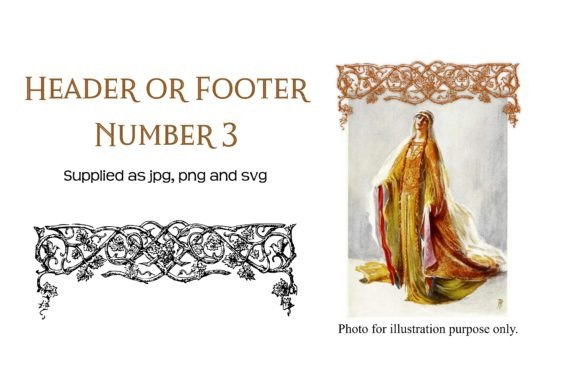
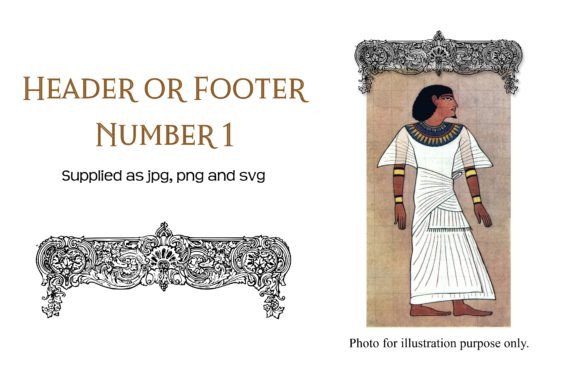
To truly understand the value of this design, one must look beyond its function as a simple divider and appreciate its visual personality. The Vintage Decorative Header or Footer 1 is characterized by complex, flourished linework that evokes the craftsmanship of the late 19th and early 20th centuries. It possesses a baroque sensibility, often featuring symmetrical scrollwork, floral motifs, and heavy, ornamental details that command attention.
Unlike a standard horizontal rule in web design, this asset acts as a piece of art in itself. The "personality" of this design is one of authority, elegance, and nostalgia. It bridges the gap between a serif font and a piece of fine art. For designers working on projects that require a sense of heritage—such as a whiskey label, a wedding invitation, or a boutique hotel website—this design provides an immediate visual shorthand for quality and tradition. It whispers of a time when things were built to last, making it an invaluable component for creating a distinct brand identity.
Strategic Applications: From Print to Pixel
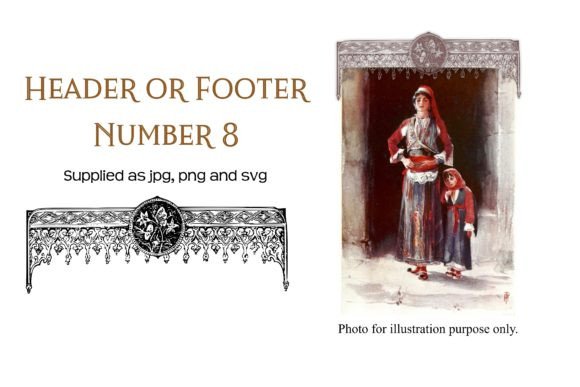
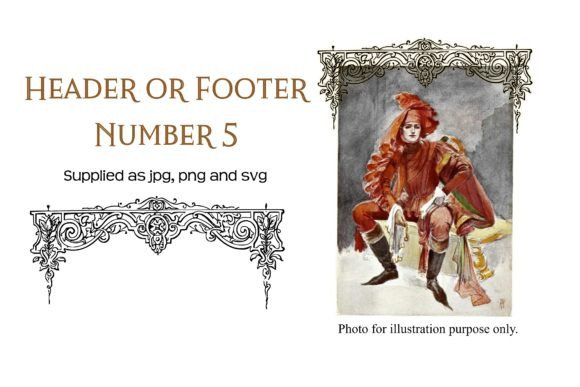
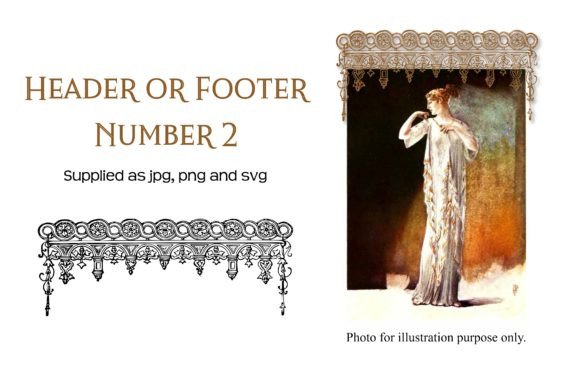
The versatility of the Vintage Decorative Header or Footer 1 lies in its file format availability. Supplied as JPG, PNG, and SVG, it adapts to various creative workflows, whether you are working in web design, editorial design, or physical packaging design.
For digital creators, specifically bloggers and content creators, this design is a game-changer for layout structure. Placing it as a footer on a landing page or a header for a newsletter can instantly transform a generic layout into something curated and professional. It works exceptionally well as a divider between sections on a long-scrolling page, guiding the reader’s eye while adding visual breathing room. When used in social media graphics, particularly for quotes or announcements on platforms like Instagram or Pinterest, the ornate nature of the design stops the scroll, offering a tactile feel in a digital environment.
In the realm of logo design and packaging design, the SVG format is particularly useful. Scalability is crucial when creating assets for print, and the vector nature of the SVG ensures that the intricate details remain crisp whether printed on a business card or a billboard. Imagine a small business owner launching a line of artisanal soaps or candles. Using Vintage Decorative Header or Footer 1 on the packaging label instantly communicates a "handmade" or "small-batch" quality without needing to write a single word of copy. It becomes a key element of the brand identity, signaling premium quality to the consumer.
Integrating the Asset into Modern Typography
One of the challenges with vintage design elements is ensuring they do not clash with contemporary typefaces. However, the Vintage Decorative Header or Footer 1 offers a unique opportunity to experiment with font pairing. The goal is to create a contrast that feels intentional rather than chaotic.
If you are working with a bold, geometric sans serif font, the intricate curves of the vintage design can provide a softening counterbalance, preventing the layout from feeling too cold or clinical. Conversely, pairing it with a script font or a handwritten font can amplify the romantic, nostalgic vibe, though this requires careful spacing to avoid visual clutter. A practical tip for designers is to use this decorative element with a display font that has a strong vertical presence. The ornamentation often works best when it has room to breathe; therefore, generous padding around the asset is essential for maintaining readability and visual hierarchy.
For entrepreneurs and marketers, this design asset is a tool for audience engagement. In a marketplace saturated with generic stock imagery, using a detailed vintage ornament signals that a brand pays attention to details. It fosters recognition because it is distinct. When a customer sees that specific swirl or flourish repeatedly across different touchpoints—from the website header to the email footer—it builds a cohesive visual language that strengthens brand perception.
Practical Guidance for Implementation
When deciding to incorporate Vintage Decorative Header or Footer 1 into your project, a methodical approach ensures the best results. First, consider the "weight" of the design. Because it is intricate, it carries visual heaviness. If your layout is already text-heavy or relies on complex imagery, adding this ornament might make the design feel cluttered. In such cases, it is better to use the design in a monochromatic color scheme—perhaps a dark grey rather than solid black—to soften its impact.
Second, evaluate the commercial font and asset licensing. Since this is a premium font asset, it is likely intended for professional use. Always verify the license terms to ensure they cover your specific application, whether it is for a client’s website, a run of printed t-shirts, or digital merchandise. Using licensed assets correctly is a hallmark of professionalism in the design industry.
Finally, test the design across different mediums. The JPG format is useful for quick mockups or photo overlays, while the PNG format (assuming a transparent background) is ideal for layering over colored backgrounds in web design or digital scrapbooking. The SVG should be your go-to for print production to maintain the integrity of the fine lines. By leveraging the right format for the right medium, you ensure that the modern typography of your project is supported, not hindered, by this classic element.
Ultimately, the Vintage Decorative Header or Footer 1